
Introduction
Marble is one of the most luxurious and durable materials used in homes and businesses. Whether it’s the elegant countertops, grand flooring, or timeless statues, marble’s natural beauty shines through in many applications. However, over time, even the most well-maintained marble surfaces can show signs of wear, including stains, scratches, and a faded patina. Restoring old marble is the perfect way to breathe new life into your surfaces and return their original splendor.
In this guide, we’ll walk you through essential tips for reviving marble shine, removing stains, and repairing scratches. We’ll also discuss the benefits of DIY marble restoration vs professional services, and how you can maintain the antique beauty of your marble surfaces.
- Understanding the Importance of Restoring Old Marble
Before we dive into the restoration process, it’s important to understand why you should restore your old marble surfaces. Marble patina restoration is crucial because the stone’s surface can wear down due to foot traffic, spills, and other environmental factors. Over time, the glossy finish can dull, and minor damage like scratches and stains can make the marble appear older than it is.
Restoring old marble helps:
- Bring back its original shine and luster
- Repair minor imperfections such as scratches and chips
- Extend the lifespan of the marble
- Enhance the overall aesthetic of your space
With proper care and restoration, your marble surfaces can look as good as new.
- Marble Stain Removal Tips: The First Step to Restoration
One of the most common problems faced by marble surfaces is staining. Due to its porous nature, marble easily absorbs liquids like wine, coffee, and oil, which can lead to unsightly stains. Fortunately, marble stain removal tips can help you keep your marble looking pristine.
Here are some simple steps to remove stains from marble:
- Oil-Based Stains: For greasy stains, mix a poultice of baking soda and water to form a paste. Apply the paste to the stained area and cover it with plastic wrap. Let it sit for 24 hours before removing the paste with a soft cloth.
- Organic Stains: Wine or coffee stains can be treated with a mixture of hydrogen peroxide and a few drops of ammonia. Test on an inconspicuous area first, then apply the solution to the stain and wipe off after 15-20 minutes.
- Water Stains: Water stains are often a result of mineral deposits left on the marble’s surface. A mixture of distilled water and vinegar can help remove these stains, though you should always follow up with a rinse of clean water to prevent damage.
- Rust Stains: If your marble is exposed to metal, rust stains can occur. You can remove them using a poultice made of commercial rust remover, which can be found at most home improvement stores.
Remember, when removing stains, always use soft, non-abrasive cloths and avoid harsh chemicals that could damage the marble’s surface.
- How to Repair Marble Scratches and Chips
Another common issue with old marble is scratches, which can dull the surface and detract from its natural beauty. Fortunately, marble scratch repair is possible with a few tools and techniques.
Here’s how you can repair scratches:
- Minor Scratches: For light surface scratches, you can use a fine-grit diamond polishing pad or a marble polishing compound. Apply the compound to the scratched area, and gently buff it out using a circular motion. Once polished, wipe off the excess product with a clean, dry cloth.
- Deeper Scratches: If the scratches are deeper, you may need to use a professional-grade marble repair kit. These kits often include resin or filler compounds designed specifically for marble, which can be used to fill in the scratches before buffing and polishing the surface.
- Chips: For small chips, marble epoxy or stone filler is a good option. Apply the filler to the chipped area, smooth it out, and let it cure before polishing. For larger chips, it may be necessary to contact a professional marble restoration specialist to ensure a seamless repair.
- Reviving Marble Shine: Polishing Techniques for a Gleaming Finish
To revive marble shine, regular polishing is essential. Over time, marble loses its luster due to the buildup of dirt, grime, and natural wear. Fortunately, restoring the shine is a relatively simple process.
Here are steps to polish marble at home:
- Cleaning: Start by thoroughly cleaning the marble with a mild, pH-neutral stone cleaner. Avoid acidic cleaners like vinegar or lemon juice, as they can etch the marble’s surface.
- Polishing: After cleaning, use a marble polishing compound or paste. Apply it to a soft, microfiber cloth, and buff the marble in a circular motion. This will help bring back the smooth, shiny finish.
- Buffing: Once the compound has been applied, buff the surface with a clean, dry cloth to further enhance the shine. This process may need to be repeated to achieve the desired level of gloss.
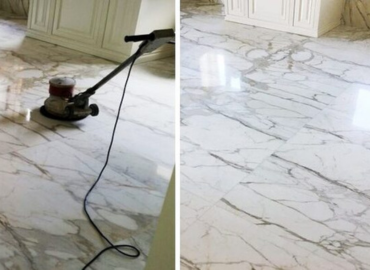
For particularly stubborn areas, you may want to consider how to polish marble at home using a buffing machine, which will provide a more uniform and professional-looking finish.
- DIY Marble Restoration vs Professional Services
While some aspects of DIY marble restoration can be tackled at home, certain cases require professional intervention. If your marble surfaces are severely damaged, such as deep scratches, large stains, or extensive etching, it may be time to hire a professional.
DIY Marble Restoration is suitable for:
- Light scratches and chips
- Stain removal
- Routine polishing and cleaning
Professional Marble Restoration is recommended for:
- Major scratches or chips
- Restoration of highly valuable or antique marble
- Patina restoration for antique marble surfaces
- Complex repairs that require specialized tools and techniques
A professional can assess the extent of the damage and provide a tailored solution that ensures your marble looks pristine for years.
- Maintaining Antique Marble: Tips for Long-Term Care
If you own antique marble, preserving its historic charm and value is essential. Here are a few tips for maintaining antique marble:
- Regular Cleaning: Dust and clean your antique marble surfaces regularly to avoid buildup of dirt and grime, which can lead to permanent damage.
- Avoid Harsh Chemicals: Use only gentle, pH-neutral cleaners on antique marble to avoid damaging the surface or the patina.
- Sealing: To protect the marble from stains and moisture, apply a marble sealant every year or two. Be sure to use a product designed specifically for marble, as other sealants can cause damage.
- Protective Pads: Place pads under heavy furniture or decor items to avoid scratching the marble’s surface.
By following these tips, you can help ensure that your antique marble retains its beauty and value for years to come.
Conclusion: Restoring Your Marble for Lasting Beauty
Whether your marble surfaces are aged and worn or simply need a little TLC, restoring old marble is an investment in both the aesthetic and longevity of your stone. From stain and scratch removal to patina restoration, the right care can breathe new life into your marble.
For expert help and premium quality marble, visit Chandan Marbles. Our extensive range of marbles and restoration services will help you achieve a timeless look that lasts. We are conveniently located on Nagar Road, Kharadi, and Marketyard in Pune, as well as in Silvassa. For assistance or inquiries, feel free to call us at +91 8888843560 or visit our website at www.chandanmarbles.com.


