
Introduction:
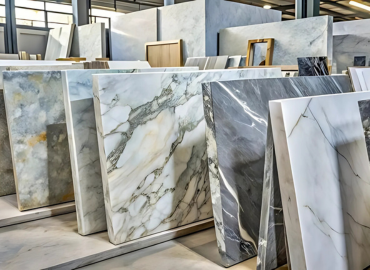
Marble has long been a symbol of luxury and durability in the Indian construction and interior design sectors. From majestic temples and palaces to modern homes and commercial spaces, marble’s timeless elegance continues to captivate. However, understanding the dynamics of marble price trends in India is crucial for stakeholders—from builders and architects to homeowners and investors. This blog delves into the current pricing landscape, factors influencing costs, and projections for the coming years.
Current Marble Price Trends in India
As of 2025, the Indian marble market is experiencing varied pricing based on quality, origin, and processing:
- Domestic Marble: Prices range from ₹30 to ₹700 per square foot, depending on quality and finish.
- Italian Marble: Premium varieties like Statuario, Calacatta, and Carrara are priced between ₹400 and ₹1,500 per square foot (The Infinity Marble).
- Imported Marble: Costs can soar up to ₹2,500 per square foot for high-end selections (Stone Hub India).
These prices reflect the diverse offerings in the market, catering to various budgets and preferences.
Factors Influencing Marble Prices
Several elements contribute to the fluctuation in marble prices:
- Raw Material Costs
The extraction and processing of marble incur significant expenses. In Rajasthan, a key marble-producing state, the government has increased mineral royalty rates. For instance, the royalty on marble in Makrana rose from ₹490 to ₹550 per tonne. Such hikes directly impact the final cost of marble products.
- Import Tariffs and Trade Policies
India imports a substantial amount of marble, especially from countries like Turkey. Political tensions can affect these imports. For example, Udaipur’s marble industry halted ₹3,000 crore worth of marble imports from Turkey in protest against Turkey’s support for Pakistan during Operation Sindoor Such geopolitical factors can lead to supply shortages and price increases.
- Transportation and Logistics
The cost of transporting marble from quarries to processing units and then to markets adds to the overall price. Fuel prices, tolls, and logistical challenges can cause variations in pricing across regions.
- Processing and Finishing
Marble undergoes various processing stages, including cutting, polishing, and finishing. The complexity and quality of these processes influence the final price. High-quality finishes and intricate designs command premium prices.
- Seasonal Demand Fluctuations
Demand for marble can vary seasonally, which in turn affects pricing. For instance, during wedding season or the festive period, demand for marble for construction and decorative purposes typically rises. Similarly, demand surges for marble in high-demand infrastructure projects like luxury hotels, corporate buildings, and residential complexes. These seasonal price hikes are influenced by consumer trends and economic cycles, making marble price trends in India more volatile at certain times of the year.
- Currency Exchange Rates
Since India imports a significant portion of its marble, currency fluctuations play a pivotal role in pricing. When the Indian Rupee weakens against the US Dollar or the Euro, the cost of imported marble increases. This can drive up prices for both Italian and other international marble brands, which in turn affects the overall market price. Conversely, a stronger Rupee may lead to slightly lower marble prices, benefiting the market and potentially making imports more affordable.
Market Forecast: 2025–2030
The Indian marble market is poised for steady growth:
- Market Size: Valued at approximately USD 4.02 billion in 2024, the market is projected to reach USD 6.21 billion by 2030, growing at a CAGR of 7.36%.
- Demand Drivers: Increasing investments in infrastructure, urbanization, and a growing preference for natural stone in interiors are key factors driving demand.
- Supply Dynamics: While India boasts abundant marble reserves, challenges like environmental regulations and labor shortages can affect supply consistency.
Regional Insights
- Rajasthan: As the leading producer, regions like Makrana and Kishangarh are central to India’s marble industry. However, recent policy changes, such as increased royalty rates, may influence production costs.
- Udaipur: Known for its marble processing units, Udaipur’s stance on import policies can significantly impact the local market.
- Kishangarh: This hub continues to be a major player in marble exports, with a focus on both domestic and international markets.
Conclusion
Understanding the intricacies of marble price trends in India is essential for making informed decisions in construction and design projects. Factors like raw material costs, trade policies, and regional dynamics play pivotal roles in shaping the market landscape. Staying abreast of these developments ensures that stakeholders can navigate the market effectively.
For premium quality marble and expert guidance, visit Chandan Marbles at our locations in Nagar Road, Kharadi, Marketyard in Pune, and Silvassa. Feel free to call us at +91 8888843560 or explore our offerings on our website at www.chandanmarbles.com.


