
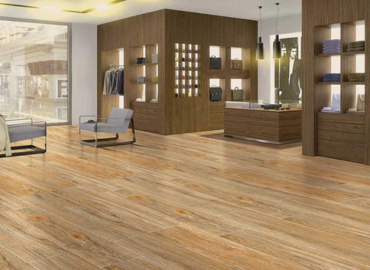
When choosing flooring or wall finishes, many homeowners fall in love with the natural warmth of wood. But real wood isn’t ideal for wet areas. That’s why wood look tiles water resistance have surged in popularity. These tiles mimic hardwood’s aesthetic while offering practical advantages. But the question remains: are wooden tiles waterproof? Let’s separate myths from facts and explore whether these tiles are suitable for bathrooms, kitchens, and beyond.
1. Understanding Wooden Tiles vs Real Wood
Wooden tiles—also known as wood look tiles—are ceramic or porcelain tiles designed to resemble real wood grain, knots, and texture. They come in the same plank shapes and formats as hardwood floors but inherently differ in composition.
- Porcelain wood-look tiles have water absorption rates as low as 0.5%, making them far less porous than real wood, which readily absorbs moisture.
- Ceramic versions, while slightly more porous, still outperform real wood.
With glazing and digital printing, these tiles replicate wood visuals without wood’s natural limitations. The result is a water-resistant surface that delivers the charm of timber.
2. Myth: Wooden Tiles are Fully Waterproof
Let’s tackle the myth: Are wood-look tiles entirely waterproof?
- Porcelain tiles are almost impermeable to water—most are rated impervious with absorption less than 0.5%.
- Untreated ceramic wood-look tiles can soak up more water but still outperform real wood.
- However, the tile surface is only one part of the system; water can penetrate through grout lines or around edges if not properly sealed.
Fact: The tile itself is waterproof, but the installation (grout, substrate, edges) must be done right to maintain waterproof performance.
3. Installation: The Key to Waterproofing
Proper installation is essential:
- Quality grout and sealing: Use water-resistant grout and apply sealant where needed—especially in wet environments.
- Moisture barriers: Bathrooms or shower areas often require waterproof membranes installed under the tiles.
- Tile grade matters: Use floor-rated porcelain tiles in moisture-prone areas to prevent cracking and water infiltration.
- Professional fitting: A skilled installer ensures tiles are level, joints are sealed, and edges properly trimmed—essential for full waterproofing.
4. Benefits in Wet Areas
Once correctly installed, wooden tiles shine in areas exposed to water:
- Bathroom floors and walls: They create a spa-like aesthetic while standing up to humidity.
- Kitchen floors: Resistant to spills and food mess, and easy to clean.
- Entryways or laundry rooms: Durable, scratch-resistant, and moisture-safe.
- Even outdoor spaces or terraces, if specified for outdoor use, can benefit from their non-porous properties.
5. Myth: Wooden Tiles Feel Cold Underfoot
Some worry that ceramic or porcelain lacks the warmth of wood. Modern innovations have tackled this:
- Matte or textured finishes mimic real wood feel.
- They also pair well with underfloor heating, especially in bathrooms—tiles conduct heat efficiently, warming the space quickly.
6. Key Differences: Waterproof Flooring Options
Understanding how wooden tiles compare with other waterproof flooring types:
- Luxury Vinyl Plank (LVP/LVT): Waterproof with SPC/WPC cores, comfortable and soft but less durable than porcelain.
- Engineered hardwood with waterproof core: Combines wood veneer with waterproof base; still costs more and less resilient.
- Laminate: Generally water-resistant, not fully waterproof; better in smaller wet areas.
Wood look tiles offer the best combination: waterproof, durable, beautiful.
7. Maintenance and Care
Caring for wooden tiles is easy:
- Regular sweeping or vacuuming to remove dust and grit.
- Damp mopping with mild cleaners—no harsh chemicals.
- Reapply grout sealant as needed to keep joints watertight.
- Avoid acidic cleaners that might damage the glaze.
The result: long-lasting floors with low maintenance.
8. Design Possibilities
These tiles come in an array of options:
- Sizes: narrow planks to large format designs.
- Finishes: matte, gloss, textured, slip-resistant.
- Patterns: herringbone, chevron, straight, staggered.
- Colors: from light ash to dark walnut—for both minimalist and bold décors.
Porcelain’s durability means indoor–outdoor continuity, pool surrounds, or heated floors—all with wood appeal.
9. When Wooden Tiles May Not Be the Best Choice
There are rare cases where wooden tiles may fall short:
- Improper installation: Using wall-only tiles on floors can lead to cracking or moisture issues.
- Severe flooding: Extended water exposure can seep through grout and subfloor, damaging substrate.
- Ultra-soft wood preference: If you want organic softness underfoot, hardwood or engineered wood may feel more authentic.
10. Final Recommendation
So, are wooden tiles waterproof? In short:
- Yes, tile itself—especially porcelain—is practically waterproof (absorption < 0.5%).
- No, when considering the entire system—proper grout, sealing, installation, and substrate matter just as much.
When professionally installed, wooden tiles are perfect for bathrooms, kitchens, entryways, terraces, and virtually any wet area where durability and aesthetic matter.
Conclusion
If you’re looking for stylish, low‑maintenance, and moisture‑resistant flooring, wooden tiles are a smart, long‑lasting choice. Their design versatility, combined with waterproof performance, makes them ideal for modern interiors—from spa bathrooms to open‑kitchen living spaces.
For the best in modern wood look tiles water resistance, trusted expertise, and a stunning range of options, visit Chandan Marbles. You can find us on Nagar Road, Kharadi, Marketyard in Pune, and also in Silvassa. Feel free to call +91 8888843560 or browse our catalog at www.chandanmarbles.com.
Discover flooring that’s beautiful, practical, and water‑wise—only at Chandan Marbles.


