
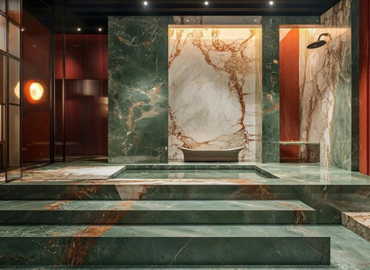
Italian marble has adorned palaces, cathedrals, and luxurious interiors for centuries. From Michelangelo’s masterpieces to modern green homes, it represents elegance, timeless beauty, and structural resilience. But in an era where environmental responsibility matters, buyers increasingly ask: is sustainable Italian marble truly eco‑friendly? In this article, we examine marble extraction, transportation, processing, and installation through the lens of ethical stone sourcing, green interiors, and sustainable building practices. We’ll explore current challenges, innovative solutions, certifications to seek, and actions you can take as a homeowner, builder, or designer.
1. What Makes Marble “Sustainable”?
“Sustainable Italian marble” refers to stone that has been extracted, processed, and transported while minimizing negative ecological and social impacts. Key principles include:
- Responsible quarrying that reduces habitat loss and prevents soil erosion.
- Reduced waste and energy usage during cutting and finishing.
- Fair labor practices and healthy working conditions.
- Efficient transportation to lower carbon emissions.
- Certifications and transparent auditing to back these claims.
In short, true sustainable sourcing covers environmental protection, energy efficiency, and social justice.
2. Environmental Impact of Marble Quarrying
Traditional marble quarrying poses ecological challenges:
- Land disturbance: Removing blocks often scars karst landscapes and disturbs flora and fauna.
- Water usage: Processing demands large volumes of water in slurry systems.
- Dust and emissions: Dust, diesel fumes, and noise adversely affect nearby residents and ecosystems.
- Waste generation: Up to 30% of quarried rock becomes unusable debris.
While the industry is slowly adopting improved methods, awareness of these issues is essential for sustainable sourcing decisions.
3. Improvements and Innovations in Quarrying
Good news: some Italian operators are pioneering eco-conscious strategies:
- Water recirculation: Reusing slurry water dramatically reduces freshwater usage.
- Biodiversity conservation: Quarry restoration programs and replanting initiatives help ecosystems recover.
- Blasting alternatives: Wire sawing and diamond-wire cutting minimize landscape impact and vibrational damage.
- Renewable energy: Solar panels and hydropower systems reduce dependence on fossil fuels.
These efforts are reshaping the ethics of stone extraction and boosting eco‑friendly marble credibility.
4. Processing and Energy Efficiency
After extraction, marble must be processed into usable slabs or tiles. Sustainable practices include:
- Efficient machinery: Low-energy diamond blades and automated cutters reduce waste and energy consumption.
- Advanced polishing methods: Wet processes with recycled water minimize dust and eliminate harmful aerosols.
- Heat recovery: Capturing heat from polishing or sawing can supply carbon-neutral energy in facility operations.
- Waste-to-product systems: Sawdust and small fragments are transformed into countertops, cement additives, or landscaping aggregates.
These innovations contribute to sustainable building materials and lower marble’s carbon footprint.
5. Cumulated Freight Impacts & Supply Chain
Italian marble is often exported globally, which raises transport emissions concerns. To make sourcing more eco‑friendly:
- Local distribution centers in destination countries help optimize shipping routes and reduce truck mileage.
- LCL (less-than-container) pooling enables stone distributors to share container space and improve shipping efficiency.
- Rail and sea transport yield far lower emissions than air freight.
- Carbon offsetting schemes help suppliers curb their transport emissions footprint.
By choosing suppliers committed to transparent supply chains and optimized logistics, your marble can be more than just beautiful—it can be ethically selected.
6. Certifications and Eco‑Labels to Look For
Several credible certifications help identify ethical stone sourcing:
- CERAMED®: Focused on sustainable quarrying, energy reduction, and workplace safety.
- Eco Marble®: Recognizes producers using solar and recycled water in processing.
- ISO 14001: International standard for environmental management systems.
- LEED and BREEAM: Building certifications that award points for responsibly sourced stone and materials with reduced environmental impact.
Ask your supplier if their marble holds any of these certifications or is independently audited for sustainability standards.
7. Designing with Eco‑Friendly Marble in Green Interiors
Once you’ve sourced sustainable Italian marble, integrating it into your design thoughtfully can achieve green interiors results:
- Minimal waste layout: Plan cuts and joints to maximize material use and reduce offcuts.
- Local fabrication: Reducing transport by choosing local artisans or workshops.
- Life-extending sealers: Use durable maintenance products to prolong polished finishes.
- Reusable installations: Fit tiles or panels in a way that they can be reinstalled or repurposed later.
These choices contribute to a building’s longevity and reduce its environmental footprint long term.
8. Offsetting Marble’s Ecological Footprint
Even sustainable sourcing can’t eliminate all environmental impact. Consider:
- Afforestation initiatives: For every cubic meter removed, some suppliers invest in tree planting or land protection.
- Community programs: Investments in local infrastructure, health clinics, or education where quarries operate.
- Carbon credits: Suppliers may support verified carbon offset projects or fund renewable energy elsewhere.
As a buyer, you can advocate for transparency around these efforts.
9. Cost vs Value: Why Choose Sustainable Marble
Many assume sustainability means higher prices. But evaluating true cost requires a life‑cycle perspective:
- Long-term durability: Marble lasts generations, reducing future renovation needs.
- Health and air quality: Stone doesn’t emit VOCs, and responsibly managed extraction preserves nearby water and air quality.
- Resale value: Homes with certified eco-friendly materials can attract premium buyers.
- Regulatory alignment: Green building regulations and tax credits may favor certified materials.
Choosing sustainable building materials is not only ethically sound—it can offer financial and practical benefits over time.
10. How to Choose a Sustainable Marble Supplier
Use this checklist when sourcing:
- Does the supplier guarantee quarry management with minimal ecological impact?
- Are water and energy usage documented and optimized?
- Do they use modern processing methods that limit waste?
- Are transportation routes and emissions addressed responsibly?
- Do they hold credible certifications or publications on sustainability?
- Can they provide transparent environmental impact data or third-party assessments?
Having clear answers helps ensure you make an informed and responsible choice.
Conclusion
Italian marble can indeed be part of a sustainable, eco-conscious design if sourced and produced responsibly. By focusing on sustainable Italian marble, ethical stone sourcing, and green interiors, and by choosing products with transparent processes, reduced waste, and proven certifications, you can enjoy the beauty of marble with peace of mind.
Curious to see and source the finest and most responsibly managed marble? Visit Chandan Marbles, the trusted name in premium Italian marble and sustainable stone solutions. Find us on Nagar Road, Kharadi, Marketyard in Pune, and also in Silvassa. Feel free to call +91 8888843560 or explore our expert selects at www.chandanmarbles.com.
Make your next marble choice both stunning and sustainable—trust Chandan Marbles to guide you.


